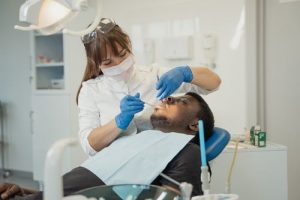
Few things test your patience quite like having your wisdom teeth out the week a new pizzeria opens down the street. You are home on the couch with ice packs and a stack of smoothies, and every food ad on your phone seems to feature a cheese pull. If you love pizza, the question comes up fast: when can I eat pizza after wisdom teeth removal?
The honest answer depends on how your surgery went, how many teeth came out, and what kind of pizza you have in mind. A soft, lukewarm slice with a tender crust is a very different meal from a blistered, crunchy thin crust loaded with chili flakes. This guide walks through the recovery stages, explains what makes pizza tricky for a healing mouth, and offers practical tips for getting back to your favourite slice safely. We will also cover a group that often gets overlooked: people wearing clear aligners who want to enjoy pizza without trouble.
One note before we dig in. Every surgeon gives their own aftercare instructions, and those instructions always come first. Use this guide to understand the reasons behind the advice, then follow the plan your dental team gives you.
The Short Answer for Pizza Lovers
Most people are advised to stick with liquids and very soft foods for the first few days after wisdom tooth extraction. Pizza usually becomes realistic once the extraction sites have started to close and chewing feels comfortable again, which for many people is somewhere around the one week mark. Even then, the first slice should be a soft one, cut small, eaten slowly, and chewed with the teeth farthest from the surgical areas.
Crispy crusts, charred edges, crunchy toppings and spicy oils are best saved for later in recovery, once your surgeon or dentist is happy with how things are healing. People who had impacted teeth, bone removal, or a more involved procedure may need longer before pizza is back on the menu.
If you remember one thing, make it this: soft, warm (never hot), small bites, away from the sockets. Everything else in this guide builds on that.
Why Pizza Is Tricky After Oral Surgery
Pizza seems harmless enough. It is bread, sauce and cheese. But each of those ingredients brings something that a fresh extraction site would rather avoid. Knowing why helps you make better choices when you are standing at the counter trying to decide what to order.
Heat Can Disturb a Healing Socket
After a tooth is removed, a blood clot forms in the empty socket. That clot protects the bone and nerve endings underneath while new tissue grows in. Very hot food and drink can irritate the area and may make it harder for that clot to stay settled, which is why most aftercare sheets ask you to keep things cool or lukewarm early on.
Fresh pizza is famous for molten cheese that holds heat far longer than you expect. Letting a slice cool well before your first bite is one of the easiest ways to protect your mouth.
Crunch and Chew Put Pressure on Tender Areas
Chewing a dense or crispy crust takes real effort from your jaw. In the days after surgery, your jaw may already feel stiff and sore, and opening wide can be uncomfortable. A thick, chewy crust asks you to bite down hard and tear, which can strain the surgical area and the muscles around it.
Hard crust edges can also break into sharp little pieces that poke at tender gums. That is the last thing you want near a healing socket.
Toppings and Crumbs Love to Hide
Small bits of food are the main concern with any meal after extraction. Crumbs from a crust, flecks of oregano, sesame seeds, chopped peppers, crumbled sausage and corn kernels can all find their way into an open socket. Food trapped there can irritate the area and slow healing.
Toppings that stay in larger, softer pieces are much easier to manage than anything that breaks into tiny fragments.
Acid and Spice Can Sting
Tomato sauce is naturally acidic, and many pizzas add garlic, chili flakes, hot honey or spicy oils on top. On a healing gum, that combination can sting. A mild sauce or a white pizza with a gentle cheese base tends to feel much kinder in the early days of eating solid food again.
A Slice-by-Slice Recovery Timeline
Recovery looks different for everyone, so think of the stages below as a general roadmap. If your surgeon gives you different timing, go with their advice.
The First Day: No Slices Yet
The first day is all about protecting the blood clot and managing swelling. Most people stick to cool liquids and very smooth foods like yogurt, applesauce, pudding and blended soups that have been allowed to cool. Drinking through a straw is commonly discouraged because suction can disturb the clot.
This is a good day to rest, keep your head elevated, and let someone else handle dinner for the household. If the rest of the family is ordering pizza, it is completely fine to sit this one out and plan your comeback slice for later.
Days Two and Three: Pizza Flavour Without the Pizza
By the second or third day, many people can handle soft foods that need little or no chewing. You can still enjoy pizza flavours in forms that are gentle on your mouth. Try a lukewarm tomato soup with a spoonful of melted mozzarella stirred in, soft scrambled eggs with a little ricotta and basil, or polenta topped with a mild marinara.
Very soft pasta with a smooth tomato sauce is another favourite at this stage. Cook it past al dente so it barely needs chewing, and skip any sauce with chunky vegetables or seeds. These meals scratch the pizza itch while your gums keep healing.
Days Four Through Seven: The First Careful Slice
Toward the end of the first week, many people find that swelling has gone down and they can open their mouth more comfortably. If your surgeon is happy with your progress and chewing feels comfortable, this may be the window for a first careful slice.
Choose the softest pizza you can find. A slice from the centre of a Neapolitan style pie, a soft pan pizza without crispy edges, or a homemade pizza on a soft flatbread are all good options. Remove the crust, cut the slice into small pieces with a knife and fork, and let it cool until it is comfortably warm. Chew on the side of your mouth farthest from the extraction sites, and stop if anything feels sore.
The Second Week and Beyond: Working Back to Your Favourite Crust
As the sockets continue to fill in over the following weeks, you can gradually bring back chewier and crunchier styles. Start with a regular hand-tossed slice, then work up to thin crust, charred edges and crunchy toppings as your comfort allows.
The sockets can take several weeks to close completely, so food may still slip into them for a while even after you feel fine. Gentle rinsing after meals, as directed by your dental team, helps keep them clean during this stretch.
Choosing the Gentlest Pizza on the Menu
Pizza comes in a huge range of styles, and some are much friendlier to a recovering mouth than others. Here is how the common styles compare when you are easing back into solid food.
Crust Styles From Softest to Toughest
The soft centre of a Neapolitan style pizza is often one of the easiest starting points, since it is thin and tender in the middle. Just leave the puffy, blistered cornicione on the plate for now. Soft pan pizzas and focaccia style squares can also work well if you avoid the crisp, caramelized edges that make Detroit and Sicilian styles so popular.
Cracker thin crusts, bar pies and very crispy New York style edges belong near the end of recovery. Deep dish can be soft, but the thick layers make each bite heavy and require a wider mouth opening, so cutting it into small, manageable forkfuls matters even more.
Toppings That Play Nicely
Gentle toppings include fresh mozzarella, ricotta, soft roasted vegetables like zucchini or mushrooms, thinly sliced ham, and well cooked spinach. These stay soft, break apart easily and are less likely to leave tiny fragments behind.
Toppings to save for later include crumbled sausage, crispy bacon, pepperoni that has curled and crisped, corn, olives with pits, nuts like pine nuts, sesame seeds on the crust, and anything with chili flakes or hot oil. Arugula can be fine if it is wilted and soft, but fresh, peppery leaves tend to scatter bits everywhere.
Sauce and Cheese Choices
A white pizza with a light olive oil or ricotta base avoids the acidity of tomato sauce, which can make it a comfortable first choice. If you prefer red sauce, a mild, smooth sauce is gentler than a chunky or spicy one.
Cheese is generally a friend during recovery since it is soft and easy to chew. The main caution is temperature, so give that cheese plenty of time to cool before diving in.
How to Eat Your First Slice After Surgery
Even the softest pizza deserves a careful approach the first time back. A few simple habits can make your comeback slice comfortable and worry free.
Start by letting the pizza cool to just warm. Cut it into small, bite sized pieces so you do not have to open wide or tear with your front teeth. Chew slowly on the side away from your extraction sites, and take small sips of water between bites. Skip the dipping sauces with chunky bits, and leave the crust for another week or two.
After eating, follow your rinsing instructions. Many dental teams recommend gentle saltwater rinses after meals once the first day has passed, letting the water fall from your mouth rather than spitting forcefully. If you were given an irrigation syringe for the lower sockets, use it the way your dentist showed you.
Food Festival Season With a Healing Mouth
If your wisdom tooth surgery lands near a pizza festival or a big food event you have been looking forward to, a little planning goes a long way. Festivals are full of tempting slices, many of them fresh from very hot ovens and topped with every crunchy, spicy ingredient imaginable.
When you can, schedule your extraction with enough breathing room before the event so you are well into recovery by the time it arrives. If the timing is already set, go with a plan: look for vendors serving softer styles, ask for a slice from the middle of the pie, let it cool before eating, and bring a bottle of water so you can rinse gently afterward. Skip the crunchy garlic knots, seeded crusts and chili oil stations for now. There will be another festival, and you will enjoy it far more with a fully healed mouth.
It also helps to keep a small kit with you: a travel toothbrush, a little cup for rinsing, and any pain relief your dentist approved. That way you can head home or step aside to care for your mouth without cutting your day short.
Signs You Should Wait a Little Longer
Your body will usually tell you when it is not ready for pizza. Pay attention if chewing causes sharp pain near the socket, if you still cannot open your mouth comfortably, or if swelling has stayed the same or grown after the first few days.
A throbbing pain that starts a few days after surgery and spreads toward the ear, a bad taste or smell from the socket, or a socket that looks empty can be signs of dry socket. Fever, pus, or swelling that keeps getting worse can point to an infection. Any of these deserve a call to your dental office before you try more solid food.
Questions about recovery are always worth asking. If you are in Northern Virginia, for example, and you are wondering whether your wisdom teeth need attention at all, a routine visit with a family dentist on Backlick Road in Springfield is an easy place to start that conversation, since regular exams and X-rays are how wisdom teeth are usually monitored over time.
Preparing for Surgery With Pizza Night in Mind
A bit of preparation before your appointment makes the whole recovery smoother, and it can help you get back to pizza with less frustration. Stock up on soft foods ahead of time so you are not tempted by takeout menus on day two. Good options include yogurt, soups, mashed potatoes, eggs, oatmeal and ripe bananas.
Ask your dental team questions during your consultation. How many teeth are coming out? Are any of them impacted? What type of sedation will be used? What should you eat in the first week, and when can you expect to chew normally again? Reading up on the procedure ahead of time also helps. Practice pages like the one for oral surgery at Springfield Lorton Dental Group outline the kinds of procedures a consultation may cover, including wisdom tooth extractions, impacted tooth exposure and sedation options, which can help you arrive with a clearer list of questions.
Finally, plan a celebration slice. Pick out the pizzeria you will visit once your dentist gives you the go-ahead. Having something to look forward to can make a week of smoothies feel a lot shorter.
Eating Pizza With Clear Aligners
Plenty of people go through wisdom tooth removal while they are also straightening their teeth with clear aligners. Others simply wear aligners and want to know how pizza fits into their routine. The good news is that removable aligners are designed to come out when you eat, so pizza stays on the menu with a few habits in place.
Always Take Your Aligners Out First
Eating with aligners in can crack or warp the plastic, and food pressed against your teeth under the aligner sits there until you brush. Melted cheese and tomato sauce are especially good at sneaking into small spaces. Take your aligners out before the first bite, and store them in their case instead of wrapping them in a napkin, where they are easily thrown away by accident.
Hot pizza is also a concern for the aligners themselves. Never put them near a hot oven or a steaming pizza box, and avoid rinsing them in hot water, since heat can change their shape.
Clean Up Before They Go Back In
Tomato sauce can stain, and bits of crust and cheese trapped under an aligner can irritate gums and contribute to decay. After pizza, brush and floss before putting your aligners back in. If you are out and cannot brush, rinse your mouth thoroughly with water and brush as soon as you can.
Rinse the aligners themselves with cool water before you put them back in. Keeping a small travel kit in your bag makes this easy at restaurants and food events.
Mind Your Wear Time
Aligners only move teeth when you are wearing them, so long, leisurely pizza nights can quietly eat into your daily wear time. Try to keep meals focused, and avoid grazing on slice after slice over several hours with your aligners sitting in their case.
Practices that offer Invisalign in Springfield, Virginia and elsewhere often point out that removable aligners let you keep eating the foods you enjoy, and pizza is a great example. The tradeoff is a little extra attention to cleaning and timing, which quickly becomes second nature.
Wisdom Teeth and Aligners at the Same Time
If you are having wisdom teeth removed during aligner treatment, your orthodontic provider and surgeon will usually coordinate on timing. Some people pause wear briefly while swelling settles, and others may need adjusted trays afterward. Follow the plan your providers give you rather than guessing.
During recovery, taking aligners in and out can feel awkward when your jaw is stiff. Go slowly, use clean hands, and avoid pressing on tender areas. Once you are cleared for pizza, all the usual aligner habits apply, plus the soft food and small bite approach from earlier in this guide.
Questions Pizza Fans Ask Their Dentist
Can I Eat Pizza If I Only Had One Tooth Removed?
A single, simple extraction often heals faster than the removal of several impacted wisdom teeth, so some people return to soft foods like pizza sooner. The same rules still apply: wait until chewing is comfortable, let it cool, avoid the crust at first, and keep food away from the socket.
Is Cold Pizza Better Than Hot Pizza After Surgery?
Temperature matters more than you might think. Cold pizza avoids heat, but it is often firmer and chewier, especially the crust. A slice that has been gently warmed and then allowed to cool to lukewarm usually offers the best balance of softness and comfort.
What About Garlic Knots, Wings and Other Sides?
Many pizza night sides are tough on a healing mouth. Garlic knots are chewy and often seeded or salted, wings involve tearing meat off bones, and fries can be crisp with sharp edges. A side salad with very soft greens or a bowl of lukewarm soup is a gentler pairing until you are fully healed.
When Can I Drink Soda or Beer With My Pizza?
Carbonated drinks and alcohol are commonly discouraged in the early days after surgery, and alcohol can interact with prescribed pain medication. Water is the safest companion for your first slices. Ask your dental team when it is fine to bring other drinks back.
Getting Back to Your Favourite Slice
Wisdom tooth recovery asks for a little patience, but it does not mean saying goodbye to pizza for long. Start with cool liquids and soft foods, move to pizza flavoured meals that need little chewing, and then ease into soft, cooled slices once your surgeon is happy with your healing. Save the crunchy crusts, spicy oils and seeded toppings for the end of recovery.
If you wear clear aligners, the same love of pizza fits easily into treatment with a few habits: aligners out before eating, a good clean before they go back in, and an eye on your daily wear time. Follow your dental team’s advice, listen to how your mouth feels, and before long you will be back at the festival tables enjoying every slice.